
History
The stories behind the brands that defined their category, told as business lessons.
62 reads

The story of Coca-Cola: how a secret formula became the most valuable brand in the world
It started as a pharmacy syrup in 1886 and today it is one of the most recognized brands on the planet. The real story isn't about chemistry, it's about business.
<READ>
Pepsi vs Coca-Cola: the cola war that lasted a century
Two nearly identical sodas fought for over a hundred years over the same table. The story holds brutal lessons for any business taking on a market leader.
<READ>
When Pepsi briefly owned one of the largest naval fleets around
In 1989 Pepsi got paid for a Soviet deal in ships and submarines. It wasn't a whim: the ruble was worthless abroad. A lesson on barter, money, and closed markets.
<READ>
Grupo Bimbo: how a little bear conquered the world's bread
From a single bakery in Mexico City in 1945 to the largest baking company on the planet. Bimbo's story isn't really about bread, it's about reaching every corner store.
<READ>
Lego was hours from bankruptcy and here is how it survived
In the early 2000s, the world's most beloved toy company nearly disappeared. The cause was not a lack of ideas, but a flood of them. This is the story of how going back to basics saved it.
<READ>
Amazon: from selling books in a garage to selling everything
In 1994 Jeff Bezos packed boxes in a Seattle garage to sell books online. Thirty years later he sells almost everything. The story behind it isn't about luck: it's about patience.
<READ>
Tesla: how a carmaker became the world's most valuable with almost no ad spend
While Ford, Toyota and GM poured billions into advertising, Tesla barely ran a commercial. It still became the most valuable carmaker on the planet. Here's the play almost nobody copies well.
<READ>
McDonald's doesn't sell burgers: it sells real estate
McDonald's real business isn't in the kitchen, it's in the ground each location sits on. Ray Kroc understood this and built an empire on it.
<READ>
Nintendo: from playing cards to ruling video games
Long before Mario and the Switch, Nintendo sold paper cards in Kyoto. Its story is a masterclass in reinventing yourself without losing your way.
<READ>
Nokia: from paper mills to phones and back into oblivion
It started grinding wood by a river in Finland, ended up ruling the mobile world, and then vanished. Nokia's story is a textbook on why clinging to what made you great can be exactly what sinks you.
<READ>
Kodak invented the digital camera and refused to sell it
In 1975 a Kodak engineer built the world's first digital camera. The company quietly buried it to protect film sales. Two decades later, film sales were exactly what killed the company.
<READ>
Blockbuster could have bought Netflix and said no
Back in 2000, Netflix offered to sell itself to Blockbuster for a tiny fraction of what it's worth today. Blockbuster laughed. Here's how the market leader ignored the future knocking on its door.
<READ>
Nike was born from a waffle iron and an obsessed coach
Before the logo and Just Do It, there was a track coach pouring rubber into his wife's waffle iron to build better soles. Nike's story is about a brand that turned into an identity.
<READ>
Starbucks doesn't sell coffee: it sells a third place
Howard Schultz wasn't in love with coffee, but with what happened around it. That idea turned a cheap drink into a ritual millions happily overpay for every single day.
<READ>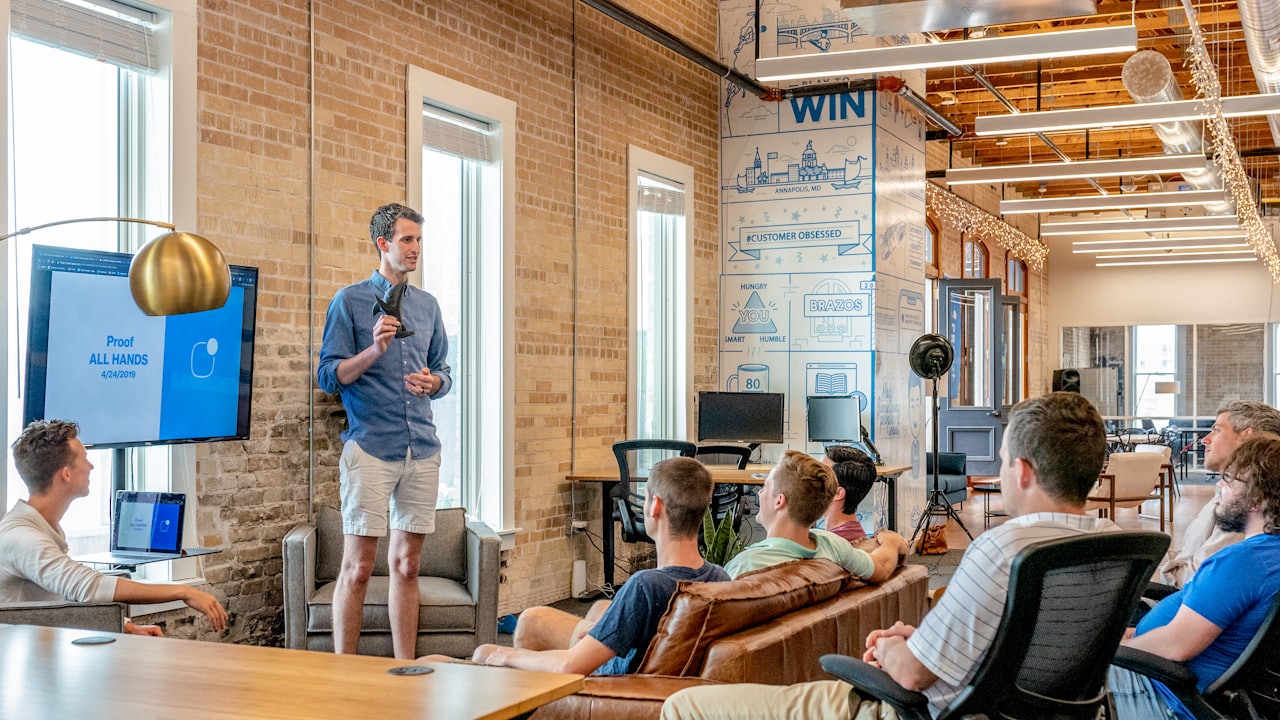
Ferrari makes more by selling less
While almost the entire industry fights to move more units, Ferrari does the opposite on purpose. And it pays off spectacularly.
<READ>
Disney: how buying Pixar, Marvel and Star Wars reshaped Hollywood
Disney didn't buy three film studios. It bought three entire universes it could resell across screens, toys and parks for decades. That was the play.
<READ>
IKEA: the empire of flat-pack furniture and the tiny pencil
How a Swedish store turned shipping savings, customer labor, and a one-way path through the showroom into one of the biggest furniture businesses on earth.
<READ>
Henry Ford and the assembly line that doubled wages
Ford didn't invent the car or the assembly line, but he did something stranger: he dropped the product's price while raising the pay of the people who built it. This is how he created his own customers.
<READ>
CEMEX: the Mexican cement maker that became a data company
How a concrete company from Monterrey learned to deliver like a pizzeria and ended up thinking like a tech firm.
<READ>
Airbnb started with three air mattresses
Two designers couldn't make rent, so they rented out their living room floor. That makeshift fix grew into one of the largest hospitality platforms in the world.
<READ>
Samsung: from dried fish to the world's most advanced chips
It started selling groceries and dried fish in a Korea wrecked by war. Today it builds the memory chips and screens that move the world. This is the story of how patience became an advantage.
<READ>
The history of the barcode and how it changed retail
It started with lines drawn in the sand on a Florida beach and ended with a pack of gum scanned in Ohio. This is the story of the little label that transformed the way we shop forever.
<READ>
The history of card payments and the terminal that changed commerce
From a forgotten dinner in New York in 1950 to the terminal that now fits in your hand, this is how card payment was born: the idea of buying without cash and the technology that made it possible.
<READ>
The history of the supermarket and the shopping cart
A little over a century ago, buying food meant handing a list to a clerk and waiting. Two inventions changed that forever: self-service and a cart nobody wanted to use at first.
<READ>
The history of money: from barter to cards
Before cash existed, we swapped chickens for sandals. The road from barter to the credit card is a story of clever solutions to a very human problem: how to trust a stranger enough to make a deal.
<READ>
The history of advertising: from posters to social media
From a printed ad in the 15th century to a video watched on a phone, advertising has spent more than five hundred years chasing the same thing: your attention. This is its journey.
<READ>
The history of e-commerce: from the first click to today
It all started with a Sting CD sold for under thirteen dollars in 1994. From there to a world where we buy almost anything from our phones. This is the story of how we learned to trust buying online.
<READ>
The history of the telephone and how it transformed business
In 1876, a single sentence between two rooms changed the speed of commerce forever. The history of the telephone is the history of how businesses stopped waiting and started talking instantly.
<READ>
The history of shopping malls
The world's first enclosed mall was born from a European dream of a public square, and ended up as something its creator came to hate. Here is the story, with its unexpected twist.
<READ>
The history of tipping and why it exists
Leaving a few extra coins feels as natural as paying the bill, but tipping has an aristocratic origin and an uncomfortable history. Here is where it comes from and why it is still here.
<READ>
The history of the business card
Before LinkedIn and the QR code, there was a rectangle of paper that opened doors, announced visits and said who you were. The business card has six centuries of history, and it says a lot about how we relate to one another.
<READ>
The history of franchising
Every time you eat at a chain or fill up at a familiar gas brand, you are inside an invention with centuries of history. Franchising was born from the need to grow without losing control, and its story has myths, sewing machines and hamburgers.
<READ>
The history of Kavak, Mexico's first unicorn
Kavak launched in 2016 to fix Mexico's broken used-car market and in 2020 became the country's first unicorn. This is the story of its climb to an 8.7 billion dollar valuation and its sharp return to reality.
<READ>
The history of Bitso, Latin America's first crypto unicorn
Bitso opened in 2014 as Mexico's first bitcoin exchange and in 2021 became the region's first crypto unicorn, valued at 2.2 billion dollars. Today it moves billions in remittances between the United States and Mexico.
<READ>
The history of Liverpool, from a fabrics stall to owning Nordstrom
El Puerto de Liverpool began in 1847 as a small fabrics shop founded by a French immigrant in Mexico City. Nearly two centuries later, it controls store chains, malls, consumer credit and even a slice of Nordstrom in the United States.
<READ>
The history of Banorte, the strong bank of Mexico
Banorte was born in Monterrey in 1899 and, after the 1992 banking privatization, became the largest Mexican bank still in local hands. This is the story of the bank that refused to sell out to foreign giants.
<READ>
The history of Jumex, from the blue can to an art museum
Jumex was born in 1961 in Ecatepec with a canned peach nectar and twenty employees. Six decades later it is Mexico's largest juice processor and funded one of the most important contemporary art collections in Latin America.
<READ>
The history of Grupo Salinas and Elektra, the credit empire
From a radio factory in 1950 to a conglomerate of stores, banks and television, Grupo Salinas built its fortune lending money to the Mexicans no bank wanted to serve. This is the story of Elektra and Ricardo Salinas Pliego.
<READ>
The History of Nike
From selling Japanese running shoes out of the trunk of a Plymouth Valiant to building the world's most valuable sports brand: how Nike grew from a handshake between an athlete and his coach.
<READ>
The History of Starbucks
From a coffee-bean shop in Pike Place Market to more than 30,000 cafés worldwide: how a trip to Milan turned Starbucks into the 'third place' between home and work.
<READ>
The History of McDonald's
Two brothers invented a revolutionary way to serve hamburgers; a milkshake-machine salesman turned it into the largest fast-food empire in the world. This is the history of McDonald's.
<READ>
The History of The Walt Disney Company
From an animation studio founded by two brothers in a garage to one of the largest entertainment conglomerates in the world: Disney's history is the story of an idea that refused to stop dreaming.
<READ>
The History of Netflix
It began by mailing DVDs, nearly sold itself to Blockbuster for 50 million dollars, and ended up reinventing how the entire world consumes entertainment. This is the history of Netflix.
<READ>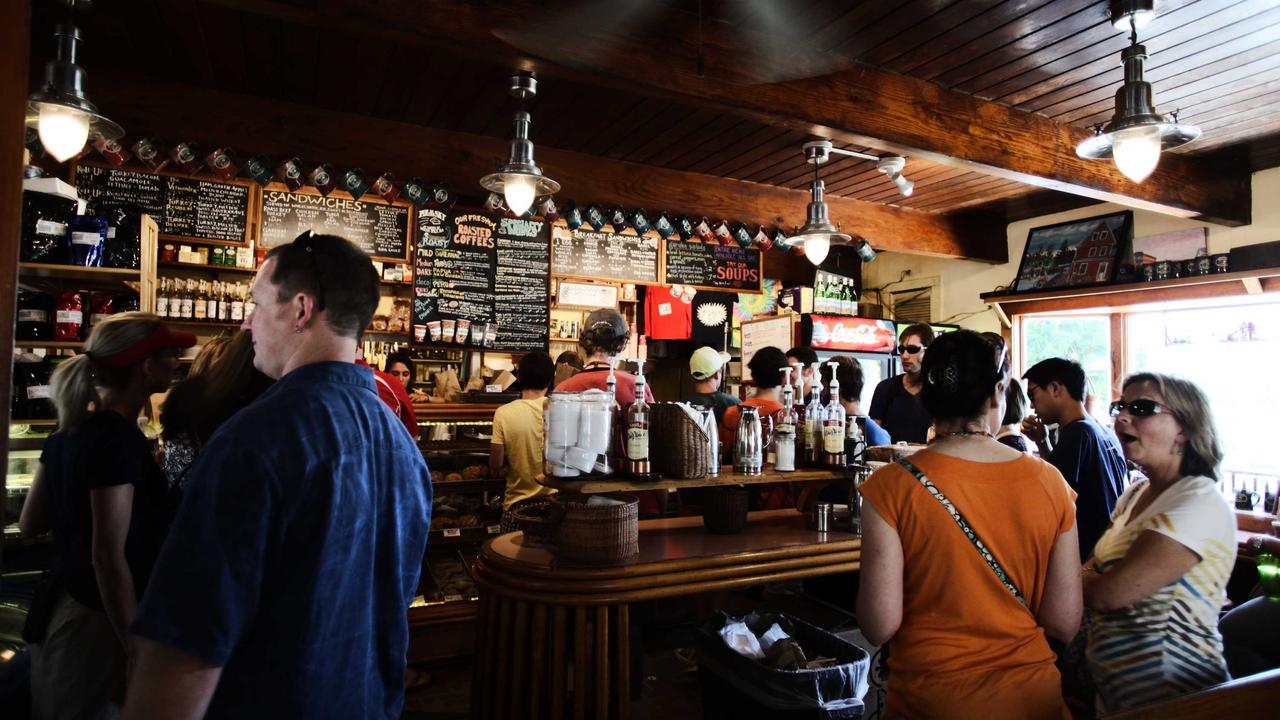
The History of FedEx
It began as a college paper that earned a mediocre grade and ended up creating an entire industry: overnight express delivery. This is the history of FedEx.
<READ>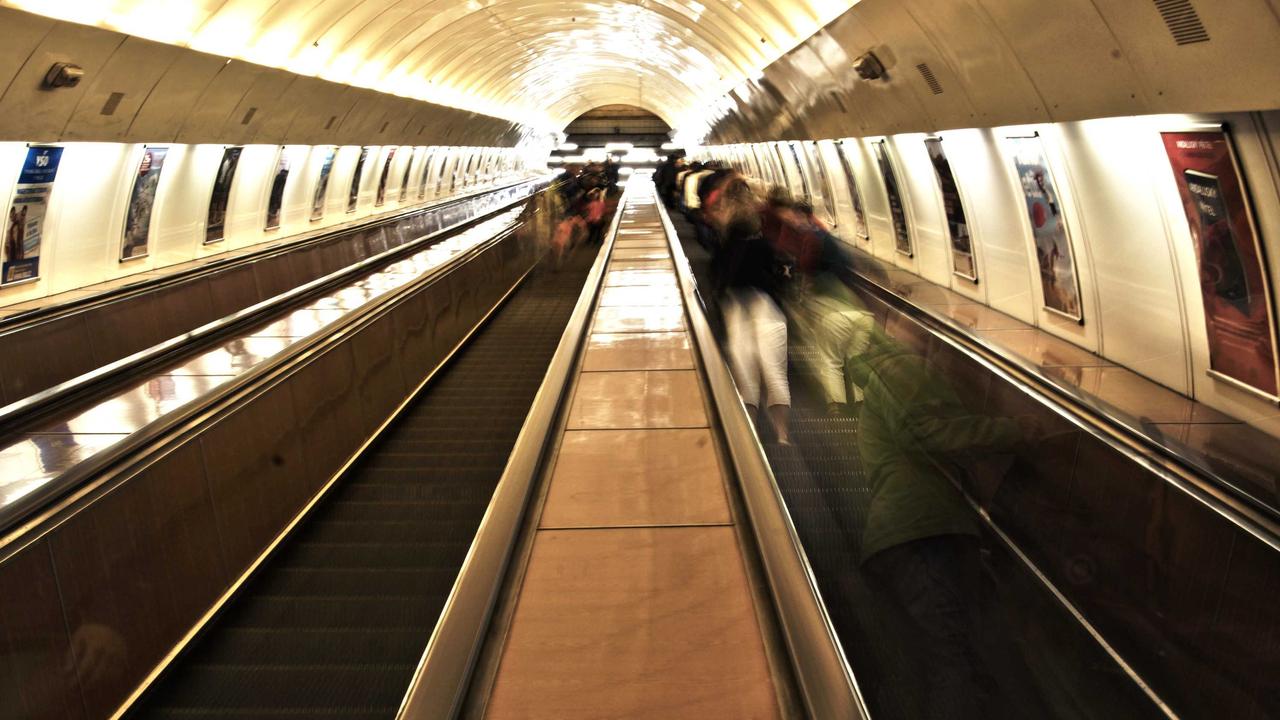
The History of Airbnb
From three air mattresses in a San Francisco apartment to a platform with more than 8 million listings: how Airbnb survived by selling cereal and ended up worth over 100 billion dollars.
<READ>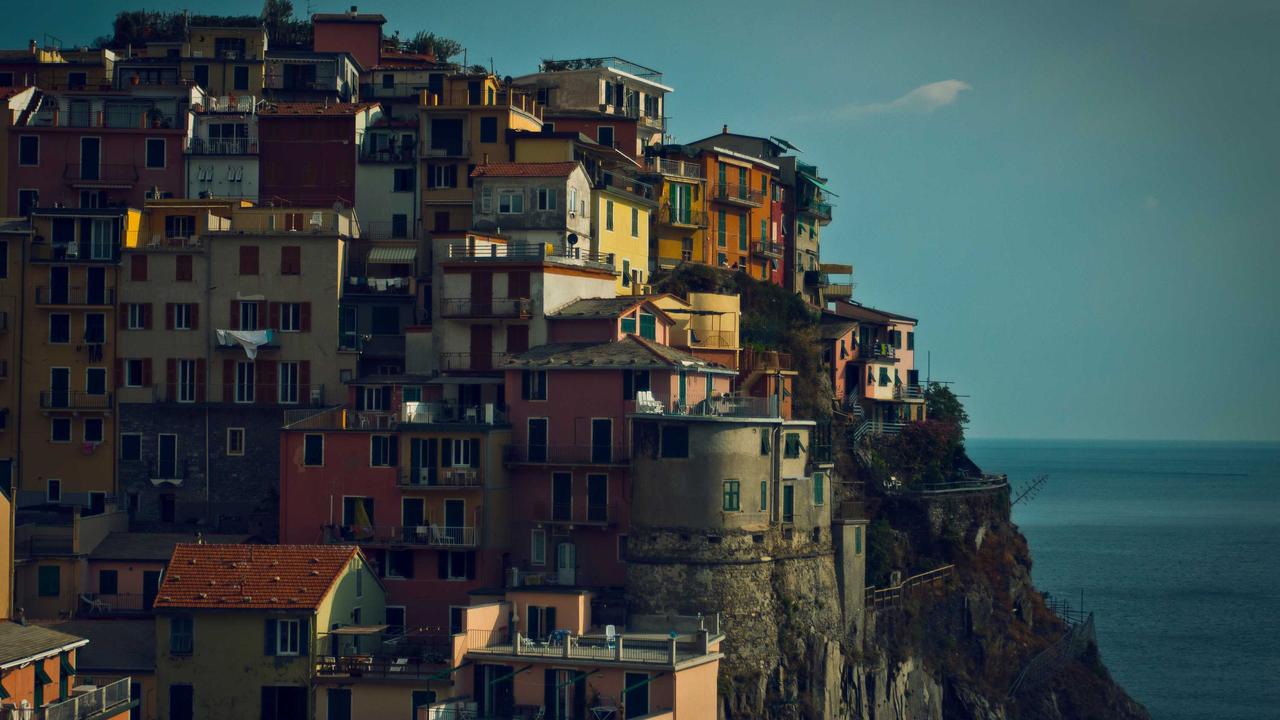
The History of Costco
From San Diego's Price Club to a membership giant with nearly 900 warehouses: how Costco built a 250 billion dollar empire on a 1.50 hot dog and an obsession with never raising prices.
<READ>
The History of Patagonia
From a blacksmith forging pitons for climbers to the company that gave itself away to the Earth: how Yvon Chouinard built Patagonia and ended up declaring that the planet is its only shareholder.
<READ>
The History of Levi Strauss & Co
From a Bavarian immigrant selling cloth in the Gold Rush to the patent that invented the blue jean: how Levi Strauss and a Nevada tailor turned a few copper rivets into the most universal garment in the world.
<READ>
The History of Harley-Davidson
From a wooden shed in Milwaukee to an empire on two wheels: how four friends built Harley-Davidson, survived a near-fatal collapse in quality, and turned the roar of an engine into an identity.
<READ>
The History of Southwest Airlines
From a triangle drawn on a napkin to 47 straight years of profit: how Herb Kelleher turned a Texas low-cost airline into a culture impossible to copy, and the recent changes now redefining it.
<READ>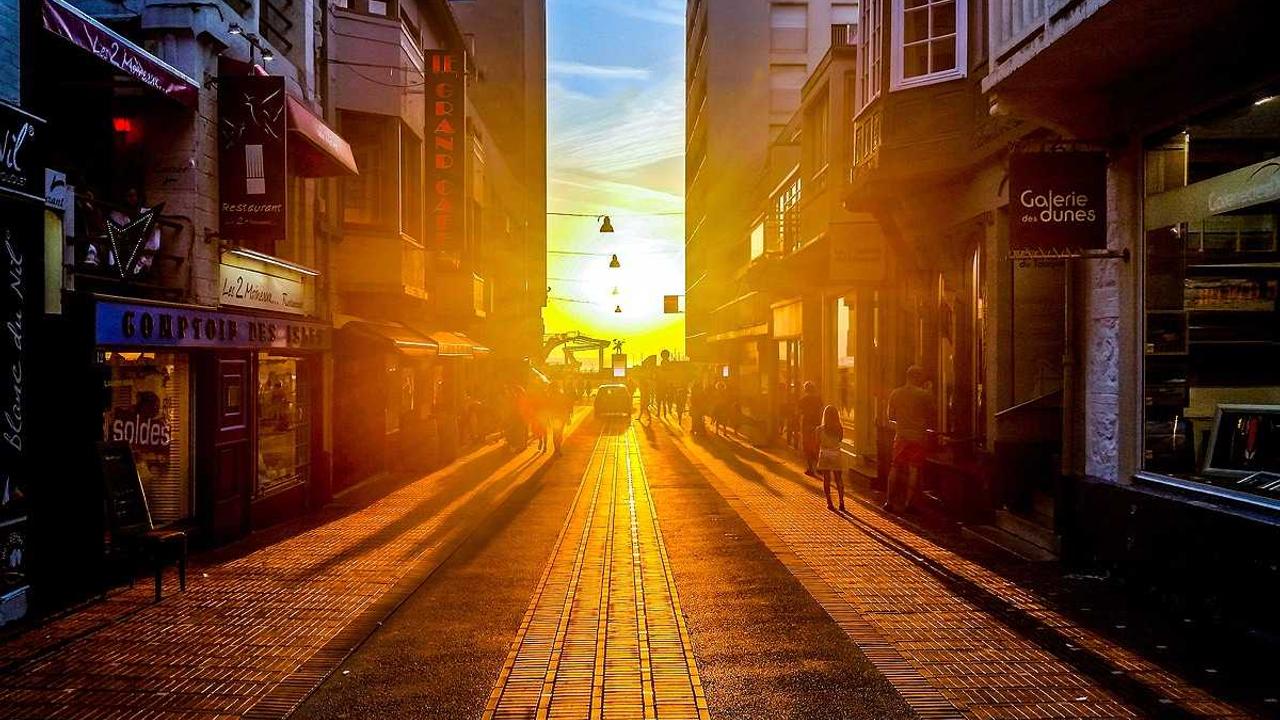
The History of IKEA
From a mail-order business set up by a 17-year-old at his Swedish uncle's kitchen table to the world's largest furniture retailer. IKEA's story is a simple idea taken to the extreme: sell well to the many.
<READ>
The History of Spotify
It was born in Stockholm to beat piracy with a better product. Fifteen years later, Spotify is the largest music streaming service in the world and a case study in how freemium and personalization rebuilt an industry.
<READ>
The History of Nestlé
It began with a milk flour that saved a baby's life in 1867 Switzerland. Today Nestlé is the largest food company in the world, owner of KitKat, Nescafé and Nespresso, and also the protagonist of one of the most enduring corporate controversies in history.
<READ>
The History of Rolex
It began in London in 1905 as an importer of Swiss movements and became the world's symbol of the luxury watch. Rolex's story is that of a German obsessed with reliability, a foundation that shields it, and a scarcity strategy perfected over a century.
<READ>
The History of LVMH and Louis Vuitton
From a trunk-maker in 1854 Paris to the largest luxury group in the world. LVMH's story is that of a century-old brand, a merger of champagne and luggage, and a financier named Bernard Arnault who turned it into an empire of some 75 maisons.
<READ>
The History of Adidas
It was born from the feud between two brothers who split a German town into rival camps. Adidas's story runs through Jesse Owens, the Miracle of Bern, a bankruptcy avoided and the return of the Samba to tell how a global sports brand is built.
<READ>
The history of Zara and Inditex
From a bathrobe workshop in A Coruña to the world's largest fashion company. The story of how Amancio Ortega turned speed into an advantage no rival could copy.
<READ>
The history of Ferrari
Enzo Ferrari built road cars only so he could go racing. From that obsession with the track was born the most desired luxury brand in the world, based in Maranello.
<READ>
The history of Michelin
How a tire factory in Clermont-Ferrand invented the radial tire, created the most famous mascot in the world and became the global arbiter of fine dining.
<READ>
The history of BMW
It started building aircraft engines, survived bankruptcy thanks to a family that bet its fortune and reinvented itself as Germany's most desired premium brand.
<READ>
The history of SAP
Five engineers left IBM in 1972 with one idea: standard software to run a whole company in real time. Today that software moves a vast share of global commerce.
<READ>
The history of Heineken
From an Amsterdam brewery called The Haystack to the world's second-largest brewer. The story of a secret yeast, a red star and a man who sold warmth.
<READ>